
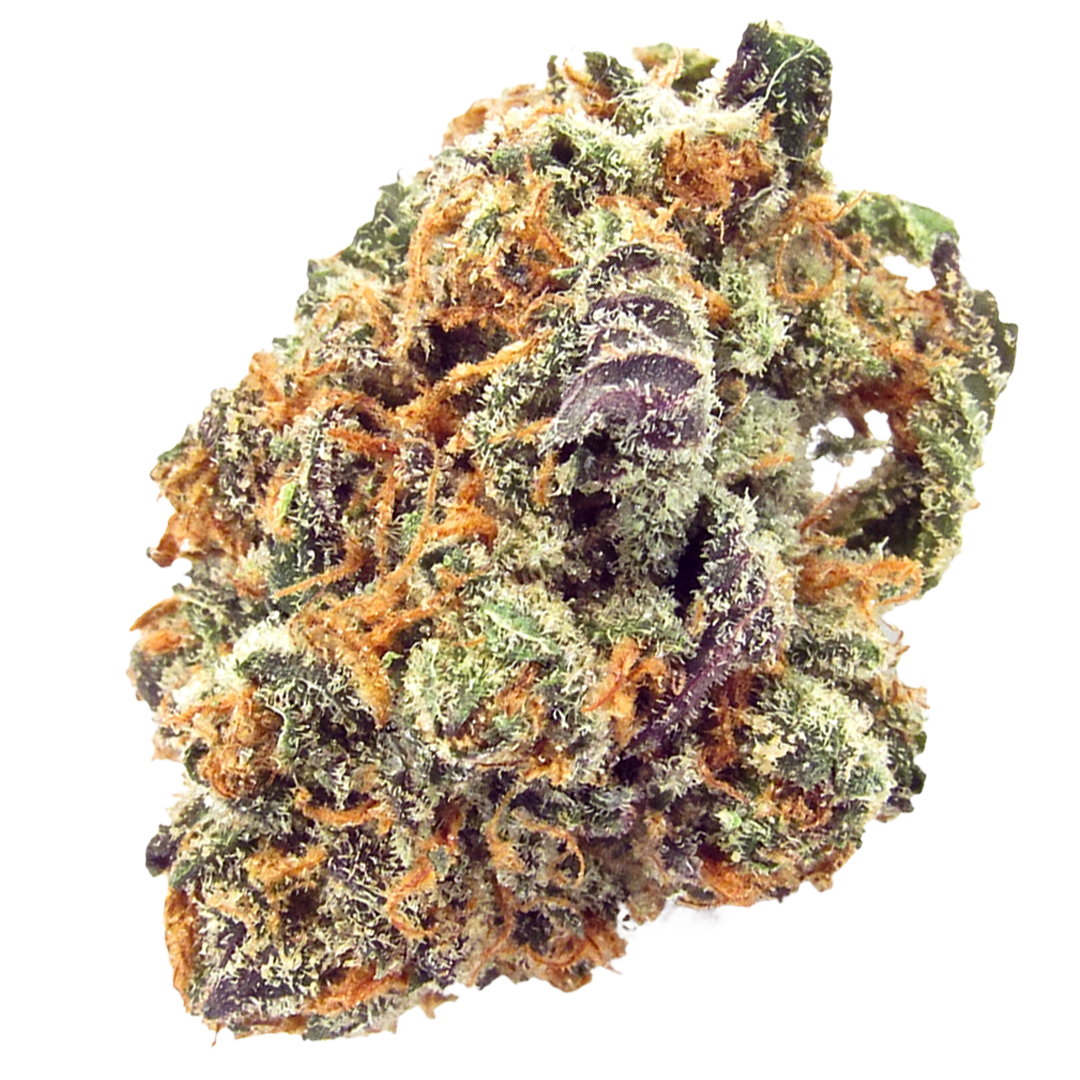
Mimosa
Cannabinoids
Potency profile
Lab-reported ranges across multiple harvests. Individual batches will vary; always check the COA on the package.
Mid-to-high potency sativa. The range reflects phenotype variation — start low and work up for new users.
Trace amounts. This is a THC-forward cultivar, not a balanced or CBD-rich variety.
Indica / sativa balance
Mimosa leans clearly sativa but carries a real indica foundation. Uplifting and energizing up front, with a mellow body ease that runs throughout.
- Sativa · 50%
- Cerebral lift, creative energy, social and uplifting.
- Indica · 50%
- Body relaxation and calm without sedation.
Terpenes
Aromatic compounds
Terpenes shape both how Mimosa smells and which effects show up most strongly. Myrcene leads here — it enhances THC absorption and contributes to the aroma.
Myrcene
DominantRelaxing, Sedating, Earthy.
Pinene
SecondaryAlertness, Memory retention, Pine.
Caryophyllene
SecondaryAnti-inflammatory, Stress relief, Spicy.
Limonene
SecondaryUplifting, Mood elevation, Stress relief.
Humulene
SecondaryAnti-inflammatory, Appetite suppressant, Earthy.
Ocimene
SecondaryUplifting, Antiviral, Sweet.
Linalool
SecondaryCalming, Sedating, Floral.
Terpinolene
SecondaryUplifting, Antioxidant, Floral.
Experience
Effects & medicinal use
Aggregated from user reports. Personal response varies with dose, tolerance, and setting.
How it feels
- Focused
- Energetic
- Uplifted
- Talkative
- Happy
- Relaxed
- Giggly
May help with
- Anxiety
- PTSD
- Depression
- Fatigue
- Gastrointestinal Disorder
Possible negatives
- Anxious
- Dry Mouth
- Headache
- Dry Eyes
Negative effects most often appear with very high doses or in users with low tolerance.
Sensory
Flavor & aroma
Two overlapping but distinct profiles — what you smell in the jar versus what you taste on the exhale.
Aroma — what it smells like
Flavor — what it tastes like
Degustation notes
The full experience
A close-read of how Mimosa actually unfolds, from first inhale to final settle.
Effect
Aroma
Taste
Appearance
Reading the bud
Visual markers that distinguish authentic Mimosa phenotypes.
Genetics
Lineage
Bred by — a cross of Purple Punch and Clementine, combining legendary genetics into a classic sativa-dominant hybrid.
A classic cross
Two legendary parents — Purple Punch meets Clementine.
Genetic contribution
By volumeRoughly equal split — Purple Punch brings potency and cerebral effects, Clementine contributes the sweet tropical flavor and uplifting character.
Where each trait came from
User consensusEach trait blends both parents, but one usually leads.
For growers
Cultivation profile
Mimosa is a easy grow — generous yields reward patient training and consistent feeding.
Indoor
Outdoor
Where it grows
Explore
Similar strains
Comparable genetics, terpene profiles, or effects — good places to look next.
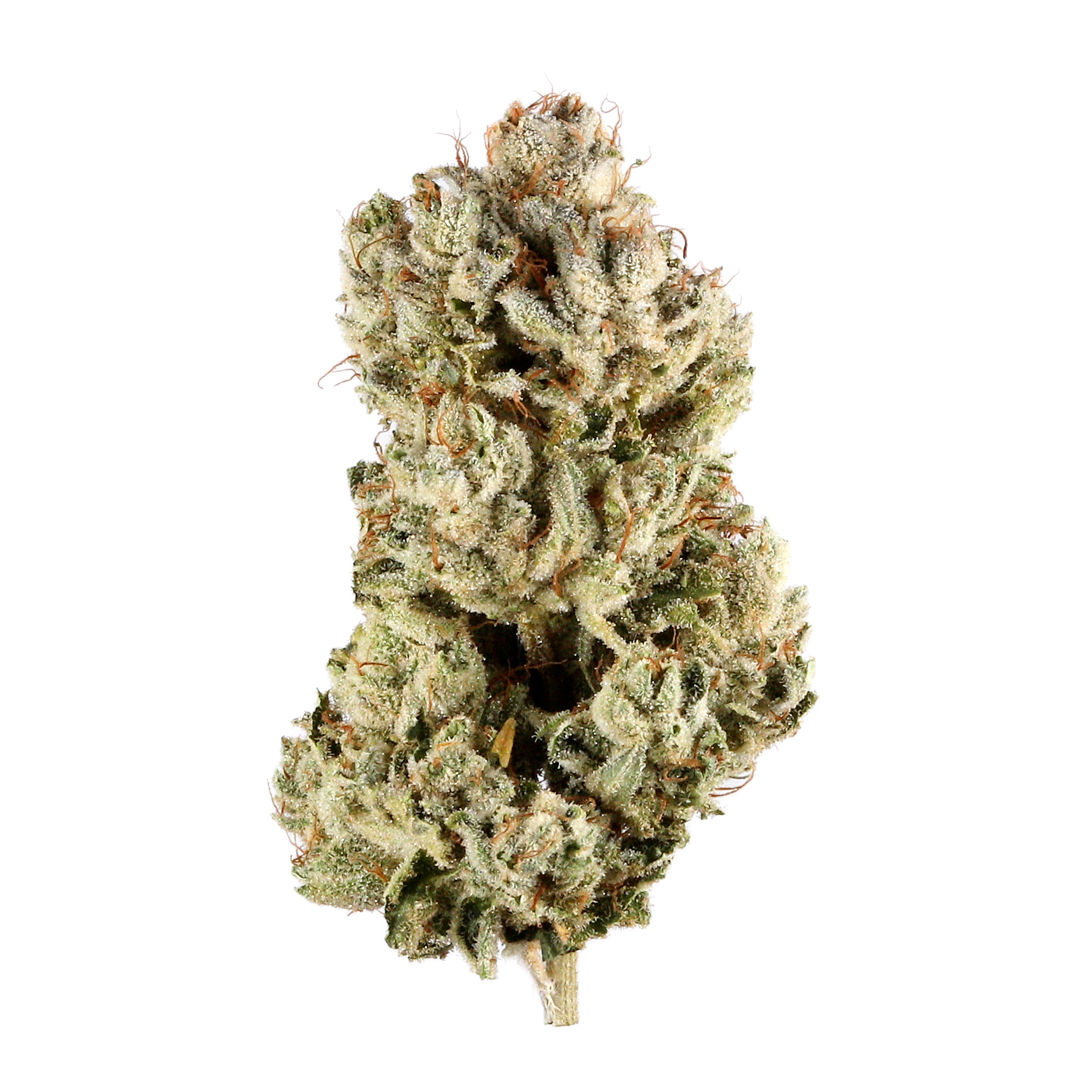
GG4
GG, Gorilla Glue, GG#4, GG #4, GG 4, Original Glue, GG4
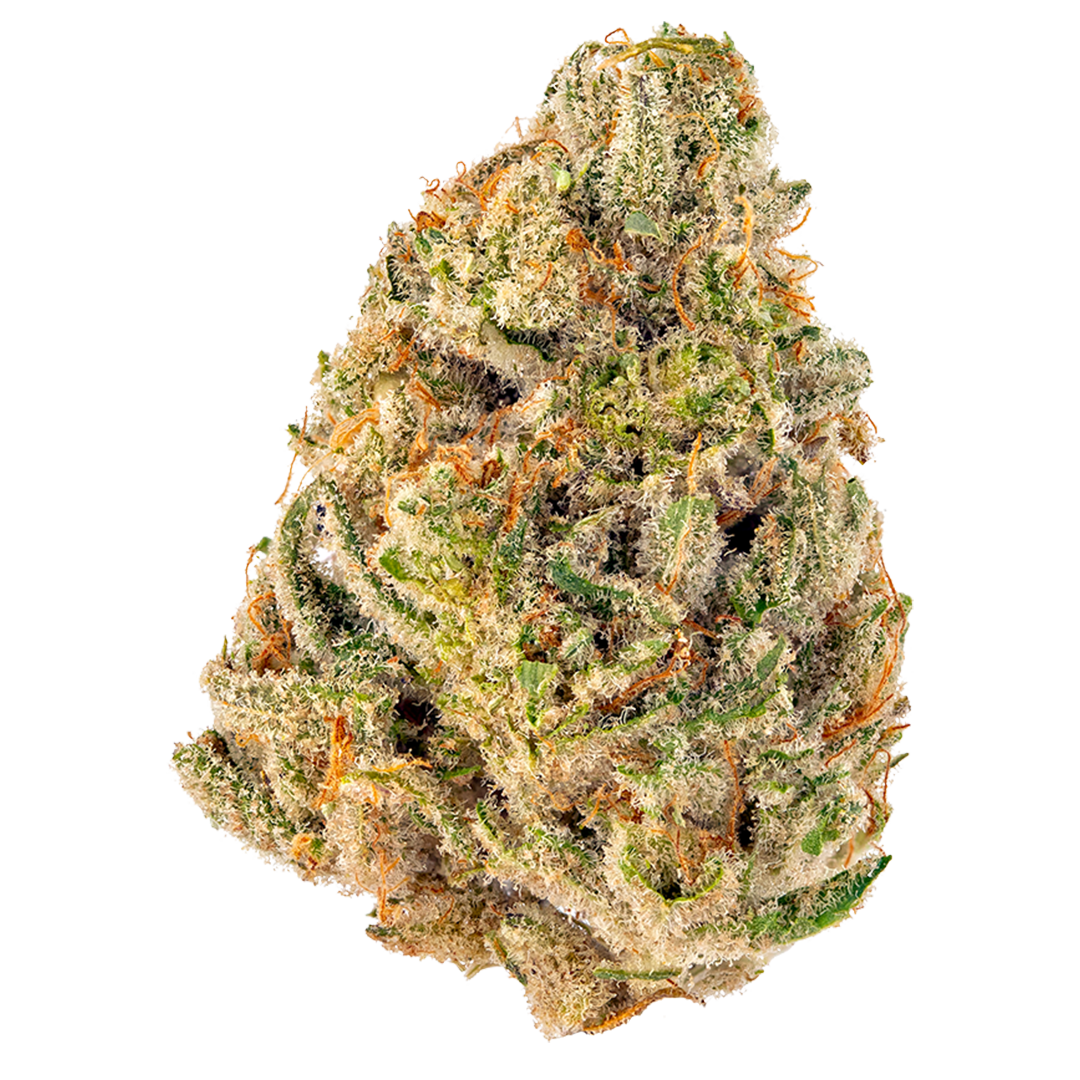
Cheetah Piss
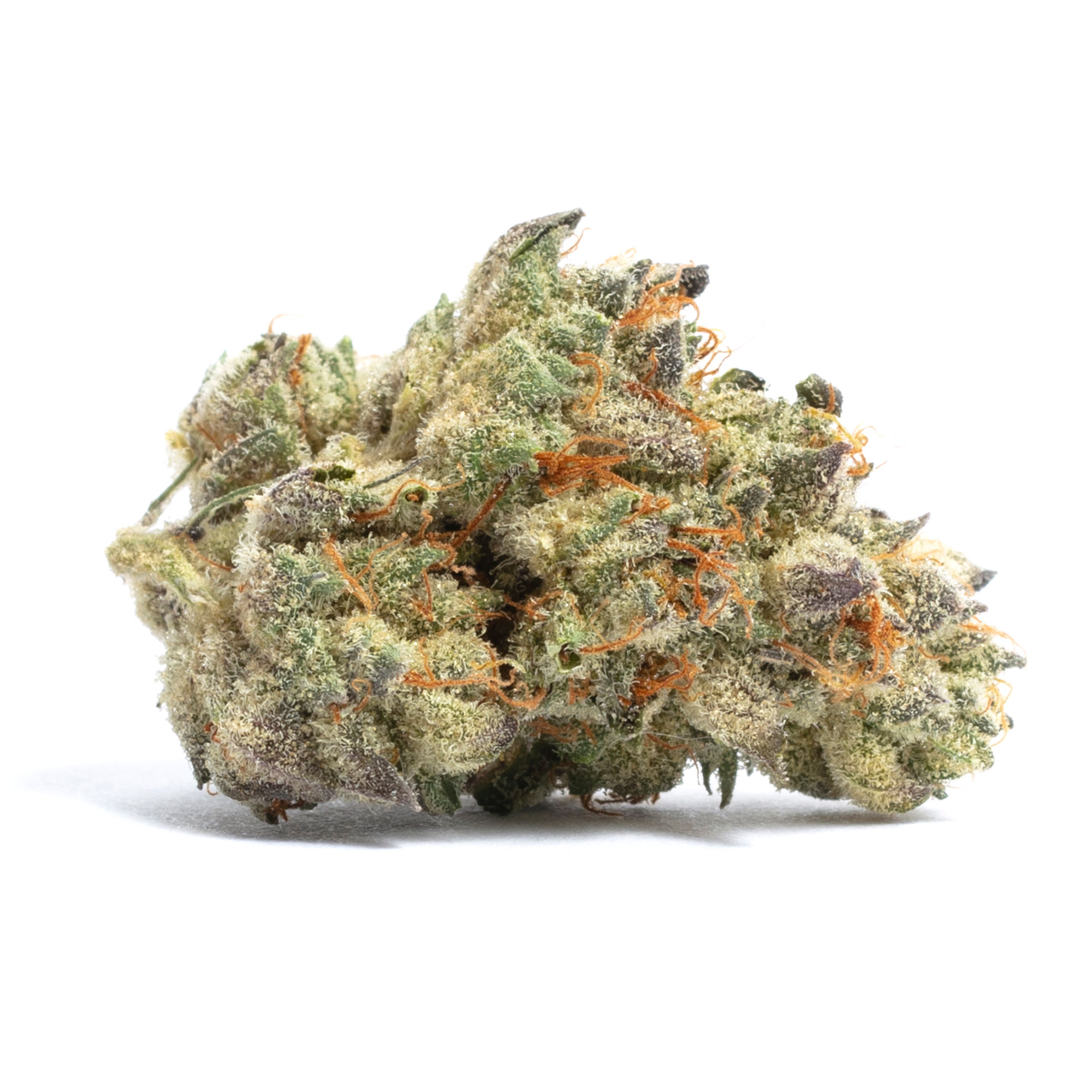
Cookies and Cream
Cookies n Cream, Cookies and Creme, Cookies & Cream, Cookies & Creme