9 Types of Edibles Explained (2026 Guide to Every Format)
9 Types of Edibles Explained (2026 Guide to Every Format)
Last updated: April 20, 2026
Cannabis edibles fall into nine main categories: gummies, chocolates, baked goods, hard candies and mints, cannabis beverages, tinctures, capsules and pills, savory snacks, and infused oils. Each format differs in onset time (ranging from 10 minutes for beverages to 2 hours for baked goods), duration, and ideal use case. If you want the short answer: gummies are the default choice for most consumers, mints are the best pick for speed and discretion, and capsules are the right call for anyone who needs pharmaceutical-grade dosing precision.
The different types of edibles all share one thing in common: cannabinoids are delivered through ingestion rather than inhalation. Beyond that, the formats diverge sharply. Swallowed edibles (gummies, chocolates, baked goods, capsules, savory snacks, and oils) travel through the digestive tract and liver, where delta-9-THC converts into 11-hydroxy-THC, a more potent and longer-lasting metabolite. Sublingual formats (tinctures and mints held in the mouth) bypass that conversion pathway, producing faster but milder effects. Cannabis beverages sit in between: nanoemulsification breaks cannabinoids into water-soluble particles that absorb through mouth and stomach tissue, giving them the fastest reliable onset of any edible format. According to ResearchAndMarkets.com via Business Wire, the global cannabis edibles market reached $14.8 billion in 2024 and is projected to grow to $48.7 billion by 2030, driven in part by faster-acting formulations across every format covered here.
Rankings are based on market share data, onset time research, bioavailability figures, dosing precision, and format-specific use case fit. We reviewed dispensary product data across California, Colorado, and Washington state; sourced onset and pharmacokinetic data from peer-reviewed literature and clinical sources; and cross-referenced cannabinoid bioavailability estimates from Veriheal, Leafwell, and published pharmacokinetics research. Gummies lead the list because they hold more than 70% of edibles category share across six tracked recreational markets per Headset data cited by MJBizDaily -- not because they are universally the best format, but because they represent the baseline against which every other format should be compared.
Quick Comparison: All 9 Edible Types at a Glance
Format | Onset Time | Duration | Bioavailability | Best For |
|---|---|---|---|---|
1. Gummies | 30-90 min (nano: 15-30 min) | 4-8 hrs | 4-20% | Everyday use, beginners, chronic pain |
2. Chocolates | 30-90 min (often 45-60 min) | 4-8 hrs | 4-20% (fat-enhanced) | Flavor enjoyment, predictable dosing |
3. Baked Goods | 30 min - 2 hrs | 4-8+ hrs | 4-20% | Long-lasting relief, familiar format |
4. Hard Candies and Mints | 15-30 min (sublingual) | 2-4 hrs | Up to 75% (sublingual) | Microdosing, discretion, fast relief |
5. Cannabis Beverages | 10-30 min | 2-4 hrs | 15-25% (nano) | Social settings, alcohol alternative |
6. Tinctures | 15-45 min (sublingual); 45 min - 2 hrs (swallowed) | 2-4 hrs sublingual; 4-8 hrs swallowed | 20-35% (sublingual); 4-20% (swallowed) | Precise dosing, flexible duration |
7. Capsules and Pills | 30 min - 2 hrs | 5-8 hrs | 4-20% | Medical patients, taste-free dosing |
8. Savory Snacks | 30 min - 2 hrs | 4-8 hrs | 4-20% (fat-enhanced) | Low-sugar diets, social snacking |
9. Infused Oils | 45 min - 2 hrs (up to 4 hrs) | 4-8 hrs | 4-20% | Home cooking, recipe integration |
The 9 Best Types of Edibles (Ranked)
1. Gummies
Best for: Everyday consumers, beginners, chronic pain relief, insomnia, and anyone who wants consistent per-piece dosing in a portable, smoke-free format
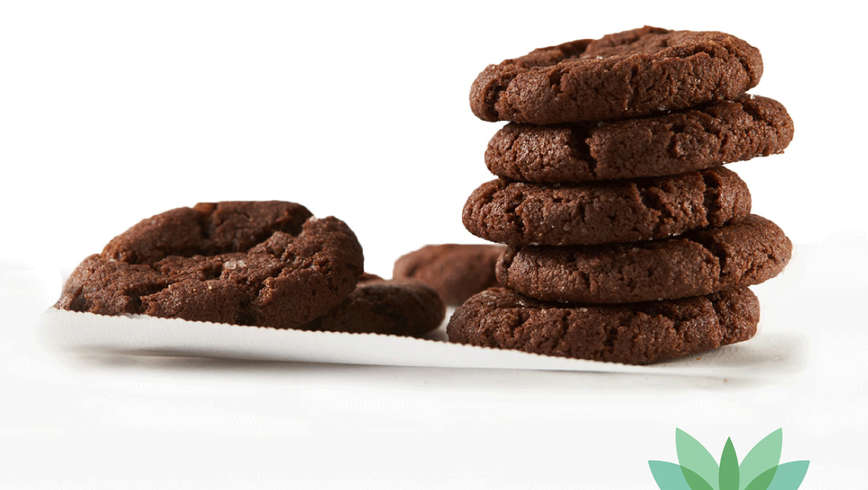
What it is: Cannabis gummies are the dominant edible format on the market, capturing more than 70% of edibles category share and nearly $1 billion in retail sales in 2021 across six tracked recreational markets per Headset data cited by MJBizDaily. Gummies are infused with THC, CBD, or a combination of both, produced by blending cannabinoid distillate or extract into a gelatin- or pectin-based candy mold. Most are now made with pectin rather than gelatin, making them broadly vegan-friendly.
How it hits: Standard onset runs 30 to 90 minutes after ingestion, with peak effects arriving around 2 to 3 hours and duration lasting 4 to 8 hours. The delay occurs because gummies are processed through the digestive tract; the liver converts delta-9-THC into 11-hydroxy-THC, a compound that crosses the blood-brain barrier more readily and produces a stronger, longer effect than equivalent smoked doses. Nano-emulsified gummies use ultrasonic technology to break THC particles under 100 nanometers, enabling absorption through the stomach lining with onset as fast as 15 to 30 minutes.
Typical THC/CBD range: Microdose products start at 1 to 2.5 mg THC per piece. Standard recreational gummies land at 5 to 10 mg per piece. In most regulated U.S. states, 10 mg is the legal single-serving cap and 100 mg is the per-package maximum. High-potency products exist at 25 mg or more per piece for high-tolerance consumers. CBD gummies range from 10 to 30 mg per piece.
Key characteristics:
Pre-dosed and portion-controlled: each gummy contains a labeled, consistent amount of cannabinoids, removing the guesswork common with homemade edibles
Long shelf life of 6 to 12 months when stored properly in a cool, dry environment, compared to days for baked goods
Available in dozens of fruity flavors, in both sugar-coated and sour varieties, in full-spectrum, broad-spectrum, and isolate formulations
Pros | Cons |
|---|---|
Precise, consistent dosing per piece | Slow onset (30-90 minutes) frequently leads to accidental overconsumption when users redose too soon |
No respiratory exposure; smoke-free and lung-friendly | Effects last 4-8 hours, which can be disorienting for inexperienced users |
Discreet: no smell, no smoke, resembles ordinary candy | Delayed onset makes real-time dose titration much harder than inhalation |
Long shelf life (6-12 months) | Sugar content is a concern for consumers managing blood glucose |
Wide flavor variety | 11-hydroxy-THC conversion can produce more intense psychoactive effects than expected for new users |
2. Chocolates
Best for: Consumers who want a familiar, enjoyable flavor experience with predictable dosing and slightly faster onset than most standard edibles
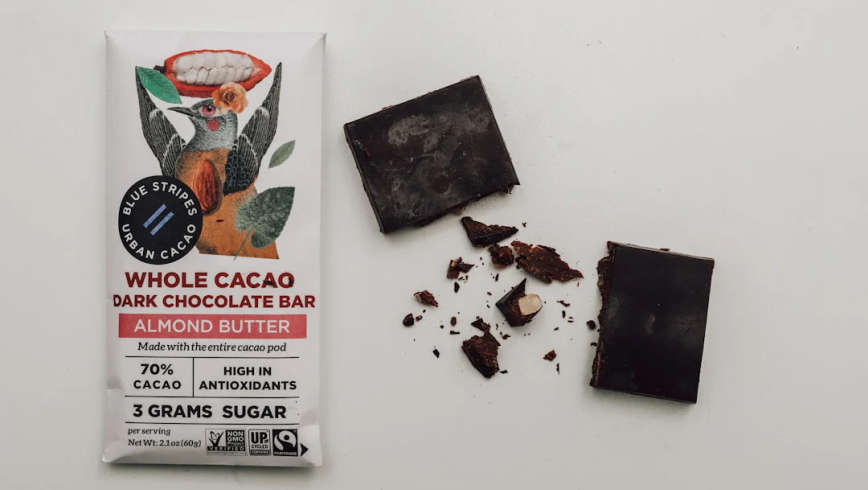
What it is: Cannabis-infused chocolate bars and bites are one of the most popular edible formats, produced by blending decarboxylated cannabis oil or distillate into dark, milk, or white chocolate. They are consumed exactly like conventional chocolate -- broken off in pre-scored segments or eaten as individual bites -- and are available in a wide range of flavor profiles including espresso, cayenne, caramel, and fruit-infused varieties. What sets chocolates apart is the chemistry: cocoa butter's high fat content binds readily with THC and other cannabinoids, enhancing bioavailability compared to edibles built on a sugar or gelatin base.
How it hits: Onset typically falls in the 30 to 90 minute window, with many users reporting effects in 45 to 60 minutes -- somewhat faster than gummy formats, which can take 30 to 90 minutes, due to cocoa butter accelerating fat-soluble cannabinoid absorption through the digestive system. Peak effects arrive around the 2 to 3 hour mark and the overall experience lasts 4 to 8 hours; chocolate's fats can increase cannabinoid absorption by 2.5 to 3 times compared to low-fat edible vehicles, so timing relative to meals noticeably affects intensity.
Typical THC/CBD range: Most commercially sold cannabis chocolate bars are dosed at 5 to 10 mg THC per scored piece, with full bars commonly totaling 100 mg across 10 to 20 segments. Beginner-oriented products start at 2.5 to 5 mg per piece; higher-potency bars range up to 50 mg per piece for experienced consumers. CBD chocolates and balanced 1:1 CBD:THC formats are widely available, with the 1:1 ratio delivering a smoother, less intoxicating experience suited to therapeutic use.
Key characteristics:
Pre-scored bars make portion control straightforward, with each segment representing a defined dose (commonly 5 mg or 10 mg THC)
Cocoa butter acts as a natural cannabinoid carrier and can increase absorption by 2.5 to 3 times compared to low-fat edible vehicles
Chocolate's familiar aroma and appearance makes it highly discreet; it resembles conventional confectionery and effectively masks cannabis flavor
Pros | Cons |
|---|---|
Fat-enhanced absorption can produce faster onset and stronger bioavailability than gelatin-based edibles | Temperature sensitive: bars melt in warm conditions, limiting portability during summer or in hot climates |
Pre-scored segments provide clear, repeatable dose increments without guesswork | Cannabinoids may not distribute perfectly evenly through every bar, so score lines do not always guarantee identical doses |
Strong flavor variety (dark, milk, white, vegan, sugar-free, flavored) suits a wide range of palates | Higher calorie count per serving compared to gummies or hard candies |
3. Baked Goods
Best for: Consumers who prefer a familiar, food-first experience and want long-lasting effects from a format rooted in cannabis culture
What it is: Cannabis baked goods include brownies, cookies, muffins, and similar items infused with THC or CBD, most commonly via cannabutter or cannabis-infused oil. They are consumed like conventional food and represent one of the oldest and most recognizable cannabis edible formats. Modern dispensary versions are lab-tested for consistent potency, setting them apart from the variable homemade versions that defined the category for decades.
How it hits: Onset for baked goods ranges from 30 minutes to 2 hours, with 30-90 minutes being typical and slower digestion pushing the window toward the 2-hour mark. The delay occurs because THC must pass through the digestive tract before liver metabolism converts delta-9-THC into 11-hydroxy-THC, a metabolite that crosses the blood-brain barrier more efficiently than its precursor and produces a stronger psychoactive effect. Peak effects arrive around 2-3 hours post-consumption and total duration runs 4-8 hours or more.
Typical THC/CBD range: Dispensary baked goods are portioned at 10 mg THC per standard serving, which is the regulated single-serving standard in most legal markets. Multi-serving packages (such as 10-count cookie or brownie packs) commonly total 100 mg per package. Beginners are advised to start at 2.5-5 mg per serving. CBD-forward baked goods exist but are far less common than THC-dominant versions.
Key characteristics:
Baked goods are among the least portable edible formats: they can crumble, require refrigeration after a few days, and lack the discrete single-unit packaging of gummies or mints
High fat content in butter- or oil-based recipes actively aids THC bioavailability, as cannabinoids bind to fat molecules for more efficient absorption
Shelf life is shorter than other edible formats: room temperature storage lasts approximately 5-7 days, refrigeration extends to 2-4 weeks, and freezing can preserve them for several months
Pros | Cons |
|---|---|
Familiar, food-first format with broad consumer comfort | Onset can stretch to 2 hours, longer than most other edible types |
High fat content improves THC absorption and bioavailability | Portability is limited; crumbles easily and lacks single-unit packaging |
Effects are potent and long-lasting (4-8+ hours), well suited for sleep or sustained relief | Short shelf life at room temperature (5-7 days); perishable ingredients can spoil |
4. Hard Candies and Mints
Best for: Consumers who want faster onset than gummies, microdose-friendly formats, or maximum discretion in public settings
What it is: Cannabis hard candies, lozenges, and mints are small, solid-sugar confections that dissolve slowly in the mouth rather than being chewed or swallowed whole. As a category, hard candy and mints together account for roughly 9% of the U.S. confectionery edibles market -- hard candy at approximately 4% and mints at approximately 5% -- while gummies dominate at 85%. Their defining feature is partial or full sublingual absorption: because the product sits in the mouth while dissolving, cannabinoids pass through the mucosal membranes of the cheeks, gums, and under-tongue tissue directly into the bloodstream, bypassing the digestive tract. Kiva Confections' Petra line standardized the 2.5 mg THC per mint format and helped establish mints as a recognized microdose category in regulated markets.
How it hits: Sublingual absorption through lozenges and mints held in the mouth produces onset in 15 to 30 minutes, significantly faster than the standard edible average of 30 to 90 minutes. Duration runs 2 to 4 hours, shorter than the 4-8 hour window typical of swallowed edibles. Because 11-hydroxy-THC is not produced in large quantity through sublingual absorption, the experience is milder in intensity than an equivalent swallowed dose. Hard candies that are sucked rather than held sublingually have onset in the 20 to 60 minute range.
Typical THC/CBD range: Cannabis mints skew toward microdose-friendly dosing: Kiva Petra mints contain 2.5 mg THC; Mr. Moxey's products start at 0.5 mg; BATCH Micro Mints offer 1 mg THC plus 1 mg CBD. Lozenges and hard candies more often sit in the standard 5 to 10 mg range per piece. In most regulated U.S. states, 10 mg THC is the legal single-serving maximum.
Key characteristics:
Visually identical to ordinary breath mints, cough drops, or hard candy; no smoke, no vapor, and no cannabis odor during consumption
Mints are manufactured with pill-press equipment that ensures consistent, low-dose delivery, often 1 to 2.5 mg THC per piece
Hard candy is shelf-stable for 12 months or more without refrigeration, unlike chocolate (heat-sensitive) or baked goods (mold-prone)
Pros | Cons |
|---|---|
Faster onset (15-30 min) than digested edibles due to sublingual absorption | Effects are shorter in duration (2-4 hrs) than swallowed edibles |
Extremely discreet: looks and smells like ordinary candy or breath mints | Hard candy can be difficult to split if the dose per piece is too high for a given user |
Microdose-friendly, especially mints at 1-2.5 mg THC per piece | Not all hard candies provide true sublingual absorption; some are simply swallowed with saliva |
No dietary allergen concerns for most users; lower sugar than gummies or baked goods | Smaller product selection at most dispensaries compared to gummies |
Shelf-stable for 12+ months without refrigeration; heat-resistant unlike chocolate | Effects may feel less potent for users who prefer the full-body intensity of digested edibles |
5. Cannabis Beverages
Best for: Social drinkers looking for an alcohol alternative and new cannabis consumers who want faster, more predictable effects with easy dose control.
What it is: Cannabis beverages are liquid-format edibles infused with THC, CBD, or both -- available as seltzers, sparkling waters, teas, coffees, sodas, lemonades, and mocktail-style tonics. They deliver cannabinoids in a pre-measured, drinkable form that fits naturally into social settings. The category has grown rapidly as a sober-curious alternative to alcohol, with brands like Wynk and CANN Social Tonics leading mainstream adoption. For a closer look at specific options, see the top cannabis-infused drinks on the market today.
How it hits: Cannabis beverages typically produce effects within 10-30 minutes, peaking around 45-90 minutes after consumption, and lasting 2-4 hours total -- significantly shorter than the 4-8 hour duration typical of solid edibles. The faster onset is driven by nanoemulsification technology, which breaks cannabinoids into microscopic water-soluble particles that absorb directly through the soft tissues of the mouth, esophagus, and stomach, bypassing the full liver metabolism that converts THC into the more intense 11-hydroxy-THC compound in solid edibles. Bioavailability for nano-emulsified beverages reaches 15-25%, compared to just 4-12% for traditional edibles.
Typical THC/CBD range: 2.5-10 mg THC per can or serving is the mainstream standard, with beginner-friendly options at 2.5 mg and social doses at 5 mg; the 2.5-5 mg segment accounted for 47.8% of THC seltzer market revenue in 2024. Some products pair THC with an equal or double portion of CBD (e.g., 2 mg THC / 4 mg CBD) to moderate intensity; high-dose shots and syrups can reach 25-50 mg THC per container.
Key characteristics:
Nanoemulsification makes cannabinoids water-soluble and enables absorption through multiple points along the digestive tract, producing a faster and more linear effect curve than solid edibles processed entirely through the liver.
The format is inherently sessionable: consumers can sip slowly to titrate their dose in real time, which is not possible with a gummy or brownie already swallowed.
Cannabis beverages carry minimal social stigma because drinking from a can or glass is a universally familiar behavior, making them the most discreet of all edible formats in public settings.
Pros | Cons |
|---|---|
Fastest onset of any edible format: 10-30 minutes | Higher cost per milligram of THC than gummies or capsules |
Easy dose titration through gradual sipping | Shorter shelf life than solid edibles; some varieties require refrigeration |
Socially normalized format works as a direct alcohol substitute | Bulkier and heavier to transport than gummies, mints, or capsules |
Pre-measured servings eliminate guesswork for new consumers | Regulatory uncertainty: 2026 federal hemp legislation may cap THC beverages at 0.4 mg per container, threatening the current market |
Smoother, shorter experience (2-4 hours) reduces risk of prolonged overconsumption | Effects still delayed enough that inexperienced users may re-dose too soon |
Available in a wide range of flavors and functional formats (caffeinated, adaptogen-infused, CBD-forward) | Variable calorie and sugar content across product types |
6. Tinctures
Best for: Medical users who need precise, repeatable dosing; consumers who want flexibility between fast and slow onset from a single product
What it is: Cannabis tinctures are liquid cannabis extracts -- cannabinoids dissolved in a carrier such as alcohol, MCT oil, or glycerin -- dispensed via a calibrated dropper. They represent one of the oldest commercial cannabis formats in the United States, used medicinally before federal prohibition in 1937. In modern regulated markets, tinctures sit between inhalation (fast onset, short duration) and conventional edibles (slow onset, long duration), with the specific experience depending heavily on whether the user absorbs the product sublingually or swallows it. If you want to make your own, this cannabis tinctures recipe guide walks through the process step by step.
How it hits: Sublingual administration (holding the drops under the tongue for 30 to 60 seconds) produces onset in 15 to 45 minutes, peak around 60 to 90 minutes, and duration of 2 to 4 hours. Bioavailability is estimated at 20 to 35% for sublingual cannabis products, compared to 4 to 20% for swallowed edibles. When swallowed instead of held under the tongue, tinctures follow the same metabolic route as solid edibles: the liver converts delta-9-THC into 11-hydroxy-THC, producing onset of 45 minutes to 2 hours and duration of 4 to 8 hours.
Typical THC/CBD range: Commercial tinctures in regulated U.S. dispensary markets typically contain 300 mg to 1,000 mg of total cannabinoids per 30 mL bottle. At a 0.25 mL starting dose from a 300 mg/30 mL bottle, that equals 2.5 mg per dose. High-potency bottles reach approximately 27 to 33 mg/mL. Ratio options span THC-only, 1:1 THC:CBD, 30:1 CBD:THC for non-intoxicating wellness use, and minor cannabinoid blends (2:1:1 THC:CBD:CBN) for sleep.
Key characteristics:
Calibrated dropper dosing allows sub-milligram adjustments not possible with solid edibles: the most granular dose control available in any edible format
The same tincture product can be used sublingually for fast onset or swallowed for longer duration, serving two distinct use cases without purchasing separate products
Alcohol-based tinctures last 3 to 5 years when stored in a dark, cool location; oil-based tinctures typically last 1 to 2 years
Pros | Cons |
|---|---|
Fastest edible onset when used sublingually: 15 to 45 minutes | Sublingual technique requires holding drops under the tongue for 30 to 60 seconds, which users frequently skip |
Most precise dose control of any edible format | Alcohol-based tinctures have a harsh, bitter taste and can cause a burning sensation |
Dual-route flexibility: sublingual for speed or swallowed for longer duration | When swallowed, onset and duration match standard edibles, eliminating the speed advantage |
Wide ratio variety (THC-only, 1:1, 30:1, CBD-only, minor cannabinoid blends) | Lower consumer appeal than gummies or chocolates; some find tinctures clinical-feeling |
Discreet packaging and use: drops added to beverages or food are invisible to others | Can be cost-prohibitive in high-cannabinoid-count bottles |
7. Capsules and Pills
Best for: Medical patients managing chronic pain, sleep disorders, or nausea who need consistent, repeatable dosing without taste or smell
What it is: Cannabis capsules and pills are pre-measured, swallowable doses of cannabinoids enclosed in a gelatin, hypromellose, or pullulan shell. They function as the most pharmacy-style format in the cannabis market: no taste, no smell, no guesswork. The cannabinoid payload inside varies -- oil-based (cannabis concentrate suspended in MCT or coconut oil), crystalline (near-pure isolate), or flower-based (decarboxylated ground cannabis). California allows up to 1,000 mg per capsule package, compared to 100 mg maximum for standard edible packages. Notable products include Stratos THC tablets (10 mg per tablet, 100 mg per 10-count) and Papa and Barkley Releaf Capsules (25 or 50 mg THC per capsule, solventless whole-plant formulation).
How it hits: Onset runs 30 minutes to 2 hours, consistent with standard edibles. The capsule shell must dissolve and contents must pass through the digestive tract and liver before cannabinoids reach the bloodstream. Peak occurs approximately 3 hours after ingestion. Duration runs 5 to 8 hours, often on the longer end compared to other formats. Like all oral cannabis products, 11-hydroxy-THC is produced through first-pass liver metabolism, a compound some researchers believe contributes up to 4 times the psychoactive effect of THC on its own.
Typical THC/CBD range: Standard market dosing runs from 2.5 mg to 50 mg THC per capsule. The most common retail single-serving is 10 mg THC. Medical-tier products extend to 50 mg per unit or higher. CBD capsules are typically dosed 5 mg to 25 mg per unit for daily supplementation.
Key characteristics:
Every capsule in a batch contains the same measured dose, eliminating the dosing variance common in baked goods and other hand-made edibles
Capsules produce no cannabis smell and no detectable flavor, making them the most discreet oral cannabis format available
Shell material matters: gelatin shells are standard; hypromellose and pullulan are plant-based alternatives for vegan or vegetarian consumers
Pros | Cons |
|---|---|
Exact dose every time; no guessing or splitting | Onset is slow (30 min to 2 hours) with no shortcut |
No taste or smell; fully discreet | Effects last 5-8 hours and cannot be easily reversed once taken |
Longer-lasting effects than inhaled formats | Availability varies by state; fewer SKUs at many dispensaries than gummies or chocolates |
Cleaner ingredient list; many have only cannabis oil and a carrier | No sensory enjoyment; purely functional format |
Suitable for dietary restrictions (vegan shells available) | Bioavailability is low (4-20%; 4-12% by most estimates) without advanced formulation technology |
Higher package THC limits in some states (California: up to 1,000 mg) | Not easily portioned: each capsule is the full dose |
8. Savory Snacks
Best for: Consumers who dislike sweet edibles, those on low-sugar or keto diets, and social snacking situations
What it is: Cannabis-infused savory snacks encompass chips, tortilla rounds, cheese puffs, popcorn, beef jerky, nuts, crackers, and pretzels infused with THC, CBD, or both. The format emerged commercially in the early 2020s as an alternative to the dominant sweet edibles that had long defined the cannabis edibles market. TSUMo Snacks launched in September 2021 as one of the first commercial savory cannabis chip brands; the Snazzle Os collaboration between TSUMo Snacks and Snoop Dogg followed in October 2022. Within edibles, candy holds approximately 79% of category sales in Q1 2025 per BDSA data, meaning savory snacks remain a niche but fast-growing segment.
How it hits: Onset runs 30 minutes to 2 hours after ingestion, consistent with other digested edibles. Peak effects arrive 2 to 3 hours after ingestion and duration runs 4 to 8 hours, in some cases up to 12 hours at higher doses. Cannabinoids are lipophilic (fat-loving) compounds, and fats help the small intestine form micelles that carry cannabinoids into the bloodstream. Savory snacks fried or seasoned with oils naturally contain fats that can enhance this absorption pathway compared to some low-fat edible formats.
Typical THC/CBD range: Standard serving is 10 mg THC per measured portion, the legal single-serving cap in most regulated U.S. states. Most regulated savory snack products are sold in 100 mg total THC packages (10 servings of 10 mg each). TSUMo Snacks tortilla rounds contain 10 mg THC per serving; Space Poppers gourmet popcorn is nano-infused at 2 mg THC per kernel in a 1:1 THC:CBD formulation.
Key characteristics:
Unlike gummies (one gummy equals one dose), savory snacks are often dosed by measured portion weights, which requires close attention to packaging to avoid overconsumption
The format appeals to consumers on low-sugar, low-carb, keto, or high-protein diets who want edible cannabis without added sugars
Format variety is broader than any other edibles segment: chips, popcorn, jerky, nuts, crackers, pretzels, and dip mixes
Pros | Cons |
|---|---|
Appeals to consumers who dislike sweet edibles; no added sugar required | Onset is slow (30 minutes to 2 hours) and unpredictable, identical to other digested edibles |
Fat-based infusion may improve THC bioavailability compared to low-fat edibles | Per-serving dosing by weight (not piece count) makes it easier to accidentally overconsume |
High-protein jerky formats appeal to fitness-conscious or keto/low-carb consumers | Category is small in regulated dispensaries; product variety and availability are limited |
Long effect duration (4 to 8 hours) suits sustained symptom management | 11-hydroxy-THC conversion in liver produces more potent, longer-lasting effects than expected |
Portable, smoke-free, no odor during consumption | Savory flavor profile narrows the appeal; consumers may notice a cannabis aftertaste |
Format variety is broader than any other edibles segment | Products may look like ordinary packaged snack foods, raising accidental ingestion risks |
9. Infused Oils

Best for: Home cooks who want to incorporate cannabis into everyday meals and recipes without purchasing pre-made edibles
What it is: Cannabis-infused cooking oils are fat-based carriers -- most commonly coconut oil, olive oil, MCT oil, or avocado oil -- that have been infused with activated cannabinoids by binding THC, CBD, and other cannabinoids to the fat molecules in the oil. The resulting ingredient can be substituted into virtually any recipe calling for oil or fat, from salad dressings and sauces to baked goods and sauteed dishes. Unlike tinctures, which are typically alcohol-based and designed for sublingual use, infused cooking oils are culinary-grade products meant to be cooked with or mixed directly into food.
How it hits: Like all edibles, cannabis-infused oils are absorbed through the gastrointestinal tract and metabolized by the liver, which converts delta-9-THC into 11-hydroxy-THC, a more potent and longer-lasting form. According to Feel State's Complete Guide to Cannabis Oil Infusions, ingesting cannabis can take anywhere from 45 minutes to 4 hours to produce effects, with onset most commonly felt between 45 minutes and 2 hours. Peak blood levels arrive around 3 hours post-consumption and the overall experience lasts 4 to 8 hours, with residual effects possible at higher doses.
Typical THC/CBD range: The potency of homemade infused oil depends on the flower's cannabinoid content and the flower-to-oil ratio used. Feel State's guide provides a worked example using 1 oz of flower at 20% THC infused into 1 cup of oil, arriving at 26.25 mg THC per teaspoon of finished oil. Commercially produced infused oils sold at licensed dispensaries include products such as Om Edibles olive oil (100 mg total THC in a 2 oz bottle, approximately 8 mg per teaspoon) and Potli olive oil (250 mg THC plus 250 mg CBD in an 8.45 oz bottle, approximately 5 mg THC per teaspoon), as documented by Leafly's California infused cooking ingredient guide. The standard beginner recommendation across formats is 2.5 to 5 mg THC per serving.
Key characteristics:
Infused oils integrate into virtually any recipe calling for fat, including sweet baked goods, savory dishes, dressings, sauces, and beverages: one of the only edible types that work naturally in non-sweet culinary contexts
Decarboxylation is a required first step before infusion: raw cannabis contains non-intoxicating THCA, and heat must be applied to convert it to active THC; Leafly and Feel State recommend 245 degrees F for 20 to 40 minutes
Homemade infused oils involve dose estimation based on flower potency, carrier oil volume, and infusion duration rather than lab-verified per-serving figures, making precise dosing genuinely difficult
Pros | Cons |
|---|---|
Extremely versatile: works in sweet and savory recipes, dressings, sauces, and baked goods | Difficult to dose accurately at home; potency estimation is inherently imprecise without lab testing |
Long-lasting effects (4 to 8 hours) from 11-hydroxy-THC liver conversion | Onset is slow and unpredictable (45 minutes to 4 hours), making overconsumption a serious risk |
Can be made at home with basic kitchen equipment or purpose-built infusion devices | Requires a decarboxylation step before infusion; skipping it yields non-intoxicating oil |
How to Choose the Right Type of Edible
The right edible format is almost always determined by two questions: how fast do you need it to work, and how long do you need it to last? Match those two variables to your lifestyle and the correct format becomes obvious.
For beginners seeking edibles for beginners: Start with gummies or mints. Gummies offer clear per-piece dosing at 2.5 to 5 mg THC, which is the standard beginner-friendly range in regulated markets. Mints offer even smaller increments (as low as 0.5 to 1 mg per piece) plus faster onset, which reduces the risk of accidentally doubling down before the first dose has activated. Whatever format you choose, start at 2.5 mg, wait a full 2 hours, and do not redose before that window closes.
For fastest onset without inhalation: Cannabis beverages (10 to 30 minutes) or sublingual tinctures and mints (15 to 45 minutes) are your options. Beverages win on simplicity; tinctures win on dose precision and flexibility. Both bypass the full first-pass liver metabolism that governs swallowed edibles.
For longest duration: Capsules and baked goods consistently run 5 to 8 hours or more. This is the correct choice for sleep support, chronic pain management, or any use case where sustained effect coverage matters more than onset speed.
For discretion in public settings: Mints and capsules are the most invisible formats. Both look like ordinary supplements or breath fresheners. Cannabis beverages are a close third; drinking from a can draws no more attention than a sparkling water.
For dietary restrictions: Capsules (with vegan hypromellose shells) and savory snacks (jerky, nut-based formats) serve low-sugar, keto, and allergen-restricted consumers. Most commercial gummies now use pectin rather than gelatin, making them broadly vegan-compatible, but check labeling.
For home cooking: Infused oils are the only format that integrates naturally into everyday recipes without requiring you to purchase a finished edible product. The tradeoff is dosing imprecision: homemade oil potency is an estimate, not a lab-verified figure. If consistent dosing matters, use commercially produced dispensary oils with labeled mg per teaspoon. For recipe inspiration, these weed edible recipes with cannabis oil cover a range of sweet and savory applications.
For medical patients: Capsules and tinctures are the strongest choices. Capsules deliver exact, repeatable doses with no sensory inputs to navigate. Tinctures offer the most granular adjustment available in any edible format, with dropper markings that allow sub-milligram precision.
Edible Dosage Guide: How Much Should You Take?
This is the single most important question to answer before consuming any edible, and the answer varies by format and individual. The thc edibles dosage framework below reflects regulatory standards and clinical guidance from regulated U.S. markets. For recipe-level potency math, the cannabis edible dosage calculator is a practical tool for estimating THC per serving.
Standard regulatory baseline: In most regulated U.S. states, including California and Colorado, the legal single serving is capped at 10 mg THC, with a 100 mg maximum per package. This is the starting point for most adults with some prior cannabis experience.
Beginner dosing: Start at 2.5 to 5 mg THC regardless of format. This range is endorsed by dispensary dosing guides and reflects the threshold below which most new consumers will avoid disorienting effects. A February 2024 study in the Journal of the American Heart Association analyzing data from 434,104 U.S. adults found that daily cannabis users had 25% higher odds of heart attack and 42% higher odds of stroke than non-users (across all consumption methods). This finding applies to all formats; it does not isolate edibles as uniquely higher risk, but it underscores why conservative dosing and infrequent use matter.
The two-hour rule: With any swallowed edible (gummies, chocolates, baked goods, capsules, oils, savory snacks), wait a minimum of 2 hours before considering an additional dose. The onset delay that comes from liver metabolism means the first dose is still activating during that window. Redosing before 2 hours is the most common cause of an unpleasant edible experience.
Format | Microdose | Beginner | Standard | Experienced |
|---|---|---|---|---|
Gummies | 1-2.5 mg | 2.5-5 mg | 5-10 mg | 10-20 mg |
Chocolates | 2.5 mg | 2.5-5 mg | 5-10 mg | 10-50 mg/piece |
Baked Goods | 2.5 mg | 2.5-5 mg | 10 mg | 10+ mg |
Mints | 0.5-1 mg | 1-2.5 mg | 2.5-5 mg | 5 mg |
Beverages | 2.5 mg | 2.5-5 mg | 5-10 mg | 10+ mg |
Tinctures | 0.5-2.5 mg | 2.5-5 mg | 5-10 mg | 10-20 mg |
Capsules | 2.5-5 mg | 5 mg | 10 mg | 25-50 mg |
Savory Snacks | 2-5 mg | 5 mg | 10 mg | 10+ mg |
Infused Oils | 2.5 mg | 2.5-5 mg/serving | 5-10 mg/serving | Variable |
Important: Consuming edibles with a high-fat meal increases cannabinoid absorption by 2 to 3 times compared to taking them on an empty stomach. If you eat a fatty meal and then take your standard dose, expect stronger effects than usual.
Frequently Asked Questions About Types of Edibles
What are the different types of edibles?
Cannabis edibles fall into nine main categories: gummies, chocolates, baked goods, hard candies and mints, cannabis beverages, tinctures, capsules and pills, savory snacks, and infused oils. Each format differs in onset time, duration, bioavailability, and the type of experience it produces. Swallowed formats (gummies, chocolates, baked goods, capsules, oils, savory snacks) convert delta-9-THC into 11-hydroxy-THC through liver metabolism, producing stronger and longer-lasting effects. Sublingual formats (tinctures, mints) bypass that conversion for faster but milder effects. Beverages use nanoemulsification to accelerate onset to 10 to 30 minutes.
Which edibles are best for beginners?
Gummies and mints are the most beginner-friendly formats because they come pre-dosed in low increments (2.5 to 5 mg THC), require no technique, and carry clearly labeled serving sizes. Start at 2.5 mg, wait at least 2 hours before considering a second dose, and avoid taking on an empty stomach. Mints are arguably the safer starting point of the two because they produce milder, shorter effects due to sublingual absorption bypassing the liver conversion step that amplifies swallowed edibles.
How do sativa and indica edibles differ?
The sativa versus indica distinction in edibles comes from added terpene profiles, not cannabis strains, since most edibles are made with distillate that has been stripped of its original terpene content. Sativa-labeled edibles typically include energizing terpenes like limonene; indica-labeled ones include calming terpenes like myrcene and linalool. Effects vary considerably by individual, body weight, metabolism, and dose, making these labels a rough guide rather than a guarantee of a specific experience.
How long do edibles take to kick in?
Onset time varies by format: cannabis beverages typically activate in 10 to 30 minutes due to nanoemulsification; sublingual tinctures and mints produce onset in 15 to 45 minutes; standard gummies, chocolates, and baked goods take 30 to 90 minutes; and infused oils can take 45 minutes to 2 hours, especially after a high-fat meal. Factors including body weight, metabolism, tolerance, and whether you've eaten recently all affect timing. Never assume the first dose has not worked simply because 30 minutes have passed.
What is a safe edible dosage?
In most regulated U.S. states, the legal single serving is 10 mg THC. Beginners should start at 2.5 to 5 mg THC, wait at least 2 hours before redosing, and avoid consuming on an empty stomach. Microdose formats start at 0.5 to 2.5 mg. Colorado and California both cap single servings at 10 mg and total package contents at 100 mg for standard edibles (cannabis capsule packages may go higher under California rules). The safest approach for any new consumer is to treat 5 mg as the ceiling for the first few sessions, regardless of what the packaging suggests as a standard serving.
What types of edibles hit the hardest?
Baked goods, capsules, and standard gummies produce the strongest effects because they are fully digested through the liver, converting delta-9-THC into 11-hydroxy-THC, a more potent metabolite. Sublingual formats like mints and tinctures bypass this conversion and produce milder, shorter effects. Among swallowed formats, baked goods and infused oils often hit the hardest because their high fat content increases cannabinoid bioavailability by 2 to 3 times compared to low-fat formulations.
Conclusion
The nine types of edibles covered here serve genuinely different use cases, and the right choice depends on your goals, timeline, and tolerance level.
If you are new to edibles, start with a 2.5 mg gummy or a 1 to 2.5 mg mint and wait the full 2-hour window. These formats are pre-measured, widely available, and forgiving of beginner mistakes.
If you need the fastest possible onset without inhalation, a cannabis beverage or sublingual tincture is the answer. Both activate in under 45 minutes; beverages are more socially transparent, tinctures are more dose-precise.
If you are a medical patient managing chronic pain, insomnia, or nausea who needs consistent, long-lasting relief, capsules are the format that most closely approximates a pharmaceutical approach. Stratos tablets and Papa and Barkley capsules are two products with verified dosing specs that serve this use case well.
If you want to cook with cannabis rather than consume finished products, infused oils give you the most culinary flexibility. Use a commercially produced, lab-tested oil with labeled mg per teaspoon rather than relying on homemade potency estimates.
For everyone else: gummies are the default for a reason. They are portable, shelf-stable, precisely dosed, and available in virtually every dispensary across every regulated market in the country.

A collection of cannabis enthusiasts that collaborate to bring the most informative unbiased information regarding all things cannabis.
Add a comment
This will be publicly visible.
Your email address will not be published.
Your comment will be reviewed by the admin before it is published.